
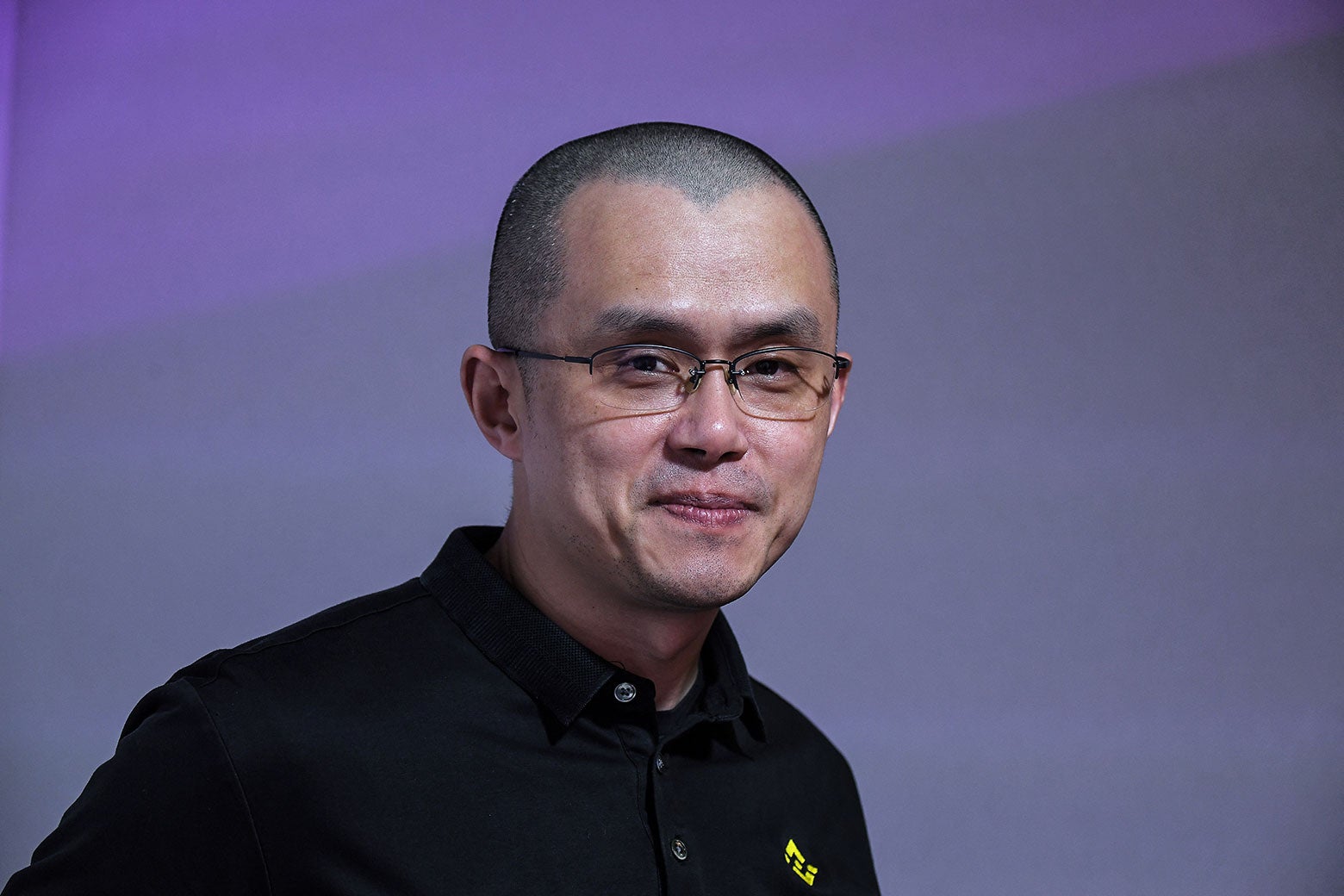
In a significant turn of events within the cryptocurrency realm, Changpeng Zhao, commonly referred to as “CZ,” the founder and former CEO of Binance—the largest cryptocurrency exchange globally—admitted guilt to charges of money laundering. Following this admission, he faced a four-month incarceration and a hefty fine of $50 million. Despite stepping down from his leadership role at Binance, Zhao retained ownership of the exchange. Recently, Binance struck a deal with Donald Trump’s cryptocurrency firm, which allowed for the hosting of the former president’s stablecoin, generating substantial revenue for Trump and his family. In a surprising twist, Zhao has now received a pardon, which could potentially enable him to reclaim his previous position.
### Pardon as a Political Statement
The Trump administration has framed Zhao’s pardon as a corrective measure against what they describe as the Biden administration’s negative stance toward cryptocurrency. White House press secretary Karoline Leavitt asserted that Zhao was unfairly prosecuted as part of the Biden administration’s “war on cryptocurrency,” suggesting that such hostility is now behind them. However, the pardon also highlights a broader trend under Trump—a tendency to overlook financial misconduct when it involves individuals who align with him or contribute to his financial interests.
### The Nature of Zhao’s Offense
It’s important to clarify that Zhao’s legal issues were not directly tied to the cryptocurrency market per se. While he operated the world’s leading crypto exchange, U.S. laws regarding cryptocurrency are still evolving, often lagging behind the rapid development of the industry. Zhao’s plea was related to a traditional financial crime: facilitating money laundering. His actions involved allowing the platform to be used by criminals for laundering funds without taking sufficient steps to prevent such activities. Thus, the case was more about standard financial crime than any specific misconduct related to cryptocurrency itself.
### A Broader Context of Presidential Pardons
The context of Trump’s pardoning practices reveals a striking trend. Historically, financial crimes have been a significant focus for presidential clemency. A study from 2021 by the Rand Corporation indicated that between 2001 and 2012, over half of the applications for pardons were from individuals convicted of fraud and white-collar crimes, showing a high success rate in this category. In contrast, those convicted of violent crimes had much lower chances of receiving similar treatment. This pattern raises questions about the implications of pardoning financial offenders and the motivations behind such decisions.
### Trump’s Unprecedented Approach to Financial Crimes
Trump’s approach to pardoning those involved in financial crimes is unprecedented. This year alone, he has granted clemency to 16 individuals or companies convicted of fraud. His early pardons included individuals involved in the January 6 riots, followed by high-profile cases like that of Ross Ulbricht, the creator of the Silk Road, and Rod Blagojevich, a former governor convicted of multiple fraud charges. Zhao’s pardon fits into this larger narrative of leniency toward white-collar criminals, which is a notable shift in presidential pardon trends.
### The Current Landscape of Financial Crime and Pardons
As Trump continues to issue pardons, the extent of financial crimes that might evade legal consequences under his administration remains uncertain. His record reflects a stark contrast to past presidents, many of whom were slow to grant pardons, especially in their early terms. In fact, Trump’s rapid issuance of pardons stands out dramatically, particularly with his extensive clemency for individuals involved in fraud.
### The Case of Sam Bankman-Fried
Currently, one notable figure, Sam Bankman-Fried—once a rival of Zhao—remains incarcerated. Since his conviction in 2023, he has been vocal about his belief that his prosecution is a result of the Biden administration’s anti-crypto stance. Bankman-Fried has drawn attention to potential biases in the judicial system, hoping to gain favor with Trump. His situation reflects the complexities of the crypto industry, where the lines between legal and illegal activities can often blur. Regardless of the outcome of his appeals, the dynamics within the cryptocurrency sector continue to evolve dramatically.


