
Senate Democrats Block Stablecoin Regulation Bill
In a significant move, Senate Democrats have halted a proposed legislation aimed at regulating stablecoins, a category of cryptocurrency. The Democrats expressed concerns regarding the bill’s lack of adequate consumer protections and raised alarms about potential benefits for former President Donald Trump. The legislation, which sought to establish guidelines for stablecoin issuers operating within the United States, had garnered some initial support from Democratic senators. However, it narrowly failed to advance with a 49-48 procedural vote, as Democrats insisted on further amendments before lending their support. Senate Majority Leader John Thune indicated that Republicans were willing to collaborate with Democrats to refine the bill, but the Democrats unanimously opposed bringing it to the floor.
Impact on Trump’s Legislative Agenda and the Crypto Sector
The outcome of the vote represents a setback for one of Trump’s key legislative goals and poses challenges for the cryptocurrency sector, which had invested significantly in political campaigns last year. The proposed law aimed to create a cohesive federal framework for regulating the rapidly evolving stablecoin market, which is currently subject to a confusing mix of federal and state regulations. Stablecoins are increasingly popular within the cryptocurrency landscape, providing stability against the market’s typical volatility by being pegged to tangible assets such as the U.S. dollar or gold. This peg generally stabilizes their value at around $1, making stablecoins a more dependable option for commercial transactions compared to other cryptocurrencies.
Concerns Over Trump’s Involvement in Cryptocurrency
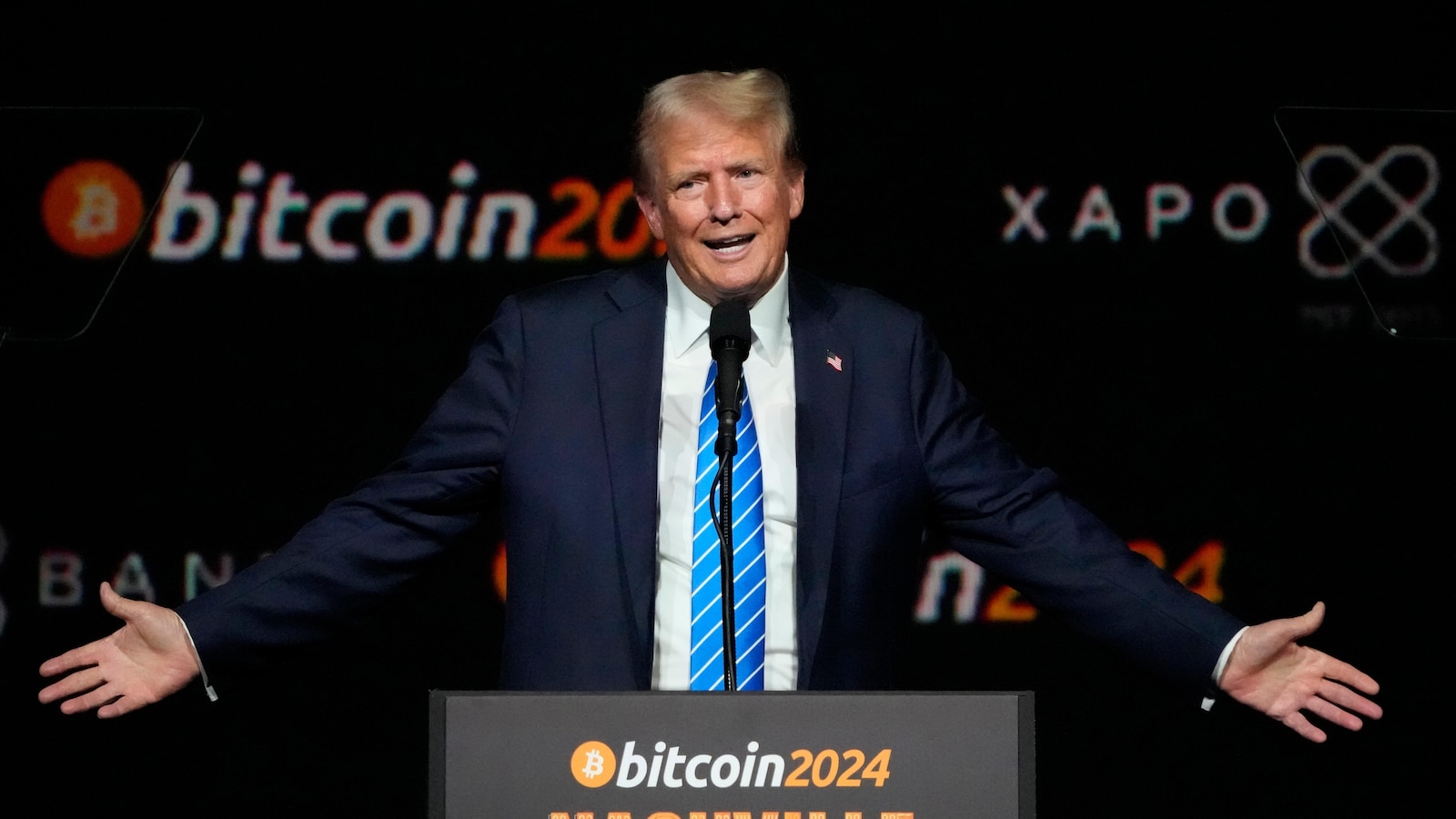
While there is a consensus among some Democrats about the necessity of regulation, Trump’s connections to the crypto space have complicated the legislative discussion. Earlier this year, Trump introduced a meme coin that reportedly generated over $320 million in fees for its developers, as per analysis from blockchain research firm Chainalysis. Additionally, Trump has recently promoted a dinner event scheduled for May 22, which is open to anyone who acquires a sufficient amount of these coins.
Trump Family Ventures and New Stablecoin Announcement
Another crypto initiative linked to the Trump family, World Liberty Financial, has announced the launch of its own stablecoin, named USD1. This stablecoin gained significant traction after the company revealed that a fund from the United Arab Emirates plans to utilize $2 billion worth of USD1 to acquire a share in Binance, the largest cryptocurrency exchange globally.
Democratic Call for Stronger Regulations
Among the various amendments suggested, Democrats emphasized the need to prohibit elected officials and their families from owning, managing, or endorsing stablecoin enterprises. Massachusetts Senator Elizabeth Warren stated, “The Senate should not pass a bill that facilitates Trump’s breathtaking corruption and lines his pockets while inviting other elected officials to do the same.” Trump’s previously skeptical stance on cryptocurrency has evolved into robust support, as he pledges to usher in a prosperous era for the sector. His administration has already taken significant steps, such as establishing a strategic bitcoin reserve and reversing earlier enforcement actions without Congressional input. However, to achieve some of his and the cryptocurrency industry’s major objectives, including stablecoin regulations, Trump requires Congressional approval.
Potential for Future Collaboration
Despite the current impasse, the legislation could still progress if bipartisan negotiations yield results. Senator Mark Warner of Virginia, a Democrat involved in the discussions, expressed his commitment to refining the bill after the vote, stating, “I remain fully committed to getting this right.” A coalition of nine Democrats, including Warner, issued a statement over the weekend outlining their refusal to support the legislation until it incorporates stronger measures addressing issues such as money laundering, foreign issuers, and accountability for violations. They did not specifically mention Trump in their concerns. “We recognize that the absence of regulation leaves consumers unprotected and vulnerable to predatory practices,” the group asserted. In response, Thune questioned the motives behind Democrats’ opposition, suggesting that their actions may be more about hindering Trump than the actual content of the bill.


